Basic Information
| Field | Details |
|---|---|
| Full Name | Marissa Sackler |
| Born | c. 1981, London, United Kingdom |
| Nationality | British-American |
| Known For | Philanthropy, founding the nonprofit incubator Beespace (2013), arts patronage |
| Occupations | Social entrepreneur, philanthropist, producer |
| Selected Roles | Founder and President, Beespace; Board member, Dia Art Foundation (former); Trustee, Mortimer D. Sackler Foundation (past involvement) |
| Notable Production | Producer, “Ram Dass, Going Home” (2017) |
| Areas of Focus | Early-stage nonprofit support, contemporary art, humanitarian initiatives |
| Family | Daughter of Mortimer Sackler and Theresa Rowling; member of the Sackler family associated with Purdue Pharma |
| Public Profile | Low; limited verified social media presence |
Early Life and Background
Born in London around 1981, Marissa Sackler grew up in a world of boarding schools and biennial horizons. She attended school in Wiltshire and spent holidays in alpine and seaside retreats, a rhythm of Gstaad winters and Antibes summers that sketched out an international childhood. Her father, the late Mortimer Sackler (1916–2010), was a co-founder of the pharmaceutical ventures that would evolve into Purdue Pharma; her mother, Theresa Rowling, is known for philanthropic efforts in the United Kingdom.
The art world and its studios, galleries, and salons left an early imprint. Marissa gravitated to contemporary art, collecting emerging artists and serving with cultural institutions. Even as the Sackler surname became a lightning rod, her own choices centered on philanthropy and social entrepreneurship, a deliberate pivot away from the family’s business orbit.
Philanthropy and Social Entrepreneurship
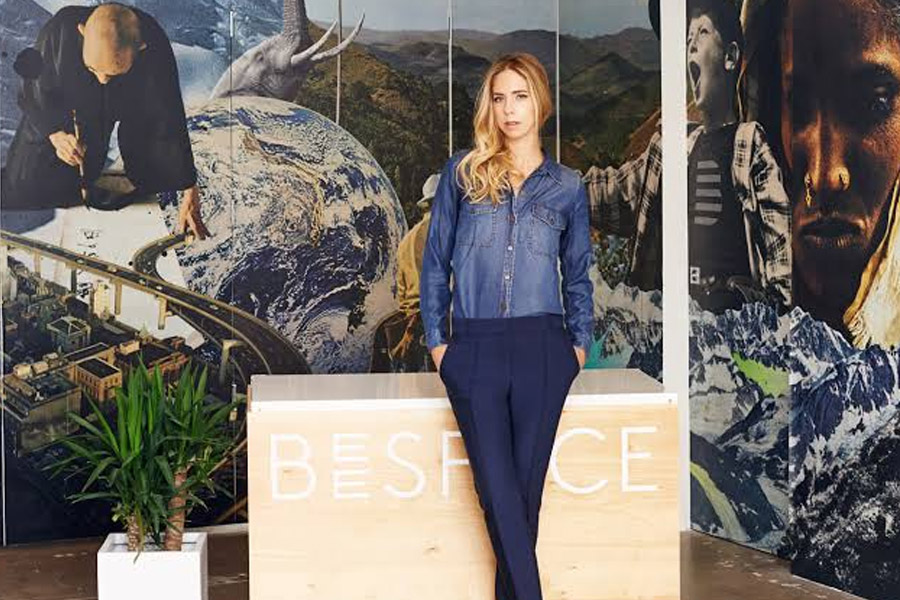
In 2013, Marissa founded Beespace in New York City, an incubator designed to give early-stage nonprofits the kind of scaffolding tech startups receive: workspace, mentorship, communications support, and strategic guidance. The concept was elegant in its simplicity—reduce friction for mission-driven founders, let them focus on impact, and translate lessons from startup ecosystems into the nonprofit domain.
Beespace’s model emphasized practical, day-to-day advantages, from pro-bono legal and PR access to introductions with funders. It fostered ventures tackling education, global health, and community development. Though the organization appears to have wound down operations around 2020, its influence lingered in the founders it supported and the blueprint it offered others seeking to incubate social good.
Beyond Beespace, Marissa aligned with humanitarian and development causes. She served on the board of Invisible Children and acted as an early sponsor of charity: water. Her philanthropic portfolio highlights a consistent theme: empower others to build, experiment, and scale, rather than own the spotlight.
Arts and Media
Marissa’s arts involvement included a seat on the board of the Dia Art Foundation and roles with family foundations that supported cultural institutions. She also extended her interests into film. In 2017, she was a producer on the meditative short documentary “Ram Dass, Going Home,” a portrait of the spiritual teacher reflecting on impermanence and presence. The project mirrored her broader curiosity about meaning-making and contemporary culture, connecting art and empathy in a compact frame.
As public scrutiny of Sackler philanthropy intensified in the late 2010s, museums and arts organizations faced protests, and the name itself became a contested symbol. Within this tumult, Marissa stepped down from the Dia board in 2018, a moment emblematic of how cultural governance and public accountability were rapidly evolving.
The Sackler Family Context
The Sackler story stretches across decades, shaped by the three brothers—Arthur, Mortimer, and Raymond—who transformed pharmaceutical marketing and built significant fortunes. Purdue Pharma’s flagship opioid, OxyContin, and the company’s marketing practices became central to America’s reckoning with the opioid epidemic. Over the past decade, investigations, lawsuits, and bankruptcy proceedings have reshaped public understanding of the family’s wealth, influence, and responsibility.
Key milestones often cited include:
- 2010: Mortimer Sackler dies at 93.
- 2016: Family wealth widely estimated around $13 billion.
- 2021: Public reports and court filings detail large family assets, including trusts, cash, and real estate.
- 2024–2025: Estimates hover around $10–13 billion for the broader family, as settlements rise and fortunes fluctuate.
- 2025: Family members agree to a multibillion-dollar settlement reported at $7.4 billion.
Marissa herself has not been criminally charged. Public coverage has focused primarily on family members directly tied to Purdue’s leadership and on broader civil settlements. Her path—philanthropy, arts, nonprofit incubation—runs parallel to, rather than through, the company at the center of the storm.
Family Members: A Brief Overview
The Sackler family is both sprawling and stratified, with branches connected through business, philanthropy, and legacy institutions. The table below highlights select relationships most relevant to Marissa:
| Name | Relationship | Notes |
|---|---|---|
| Mortimer Sackler (1916–2010) | Father | Co-founder of the companies leading to Purdue Pharma; major arts and medical philanthropist. |
| Theresa Rowling | Mother | British philanthropist; active in UK-based initiatives. |
| Ilene Sackler Lefcourt | Half-sister | Philanthropist involved in education and cultural causes. |
| Kathe Sackler | Half-sister | Former Purdue board member; central in public and legal scrutiny related to the opioid crisis. |
| Mortimer D.A. Sackler | Half-brother | Maintains a low profile; linked to family business and philanthropy. |
| Samantha Sophia Sackler Hunt | Sister | Philanthropist engaged with family foundations; largely private. |
| Sophie Sackler | Sister | Arts supporter with an understated public presence. |
| Michael Sackler | Brother | Independent film producer; active in the creative industries. |
Public Profile and Recent Mentions
Marissa keeps a notably low public profile. Her social media presence appears sparse and, in some cases, inactive or unverified. Mentions in 2024–2025 largely arise in the context of Sackler-related legal developments, with her name surfacing more as a genealogical footnote than as a principal figure.
Earlier, in the mid-2010s, she spoke publicly about reimagining nonprofit structures, appeared at philanthropy forums, and discussed the mechanics of incubating social ventures. After 2018, and especially after Beespace began winding down, public commentary tapered off. The effect is a silhouette more than a portrait—visible, but only in outline.
Financial Picture
Specific figures for Marissa’s personal net worth are not publicly disclosed. Family wealth has been widely estimated between $10 and $13 billion over the past decade, with figures ebbing under the weight of court-ordered settlements and negotiated agreements. Public reporting has described significant family assets—cash holdings, trusts, and real estate portfolios—yet the distribution and accessibility of those assets within the family remain opaque.
For Marissa, the financial narrative is less about personal accumulation and more about philanthropic deployment. Her work through Beespace, board roles, and arts patronage point to capital translated into institutional support—an attempt, perhaps, to build scaffolds rather than monuments.
Timeline Highlights
-
- 1981: Born in London.
- 1990s: Educated at a boarding school in Wiltshire.
- 2010: Death of her father, Mortimer Sackler.
- 2013: Founds Beespace in New York.
- 2017: Produces “Ram Dass, Going Home.”
- 2018: Steps down from the Dia Art Foundation board amid protests around Sackler philanthropy.
- 2020 (approx.): Beespace winds down operations.
- 2024–2025: Public references tie her mostly to family-related news, not personal projects.
FAQ
Is Marissa Sackler involved with Purdue Pharma?
No; her public work centers on philanthropy, arts, and nonprofit incubation rather than the family’s pharmaceutical business.
What is Beespace?
Beespace was a New York nonprofit incubator founded in 2013 to support early-stage social ventures with space, mentorship, and strategic resources.
Did Beespace close?
Beespace appears to have wound down around 2020, with its founders and alumni continuing work independently.
What boards has she served on?
She has served on the Dia Art Foundation board and has been involved with the Mortimer D. Sackler Foundation and other nonprofit boards.
Is she active on social media?
Her public social media presence is limited and largely inactive, with no widely recognized active personal account.
Has she been charged in opioid-related cases?
No; she has not been criminally charged, and public legal scrutiny focuses on family members directly connected to Purdue’s leadership.
How wealthy is she?
Her personal net worth isn’t public; broader family wealth has been widely estimated in the $10–13 billion range over recent years.
What film did she produce?
She was a producer of the 2017 documentary short “Ram Dass, Going Home.”
Where did she grow up?
She was born in London and educated in England, with family holidays in places like Gstaad and Antibes.
Why did she leave the Dia Art Foundation board?
She stepped down in 2018 amid protests and broader debates around the role of Sackler philanthropy in the arts.